early detection will save lives
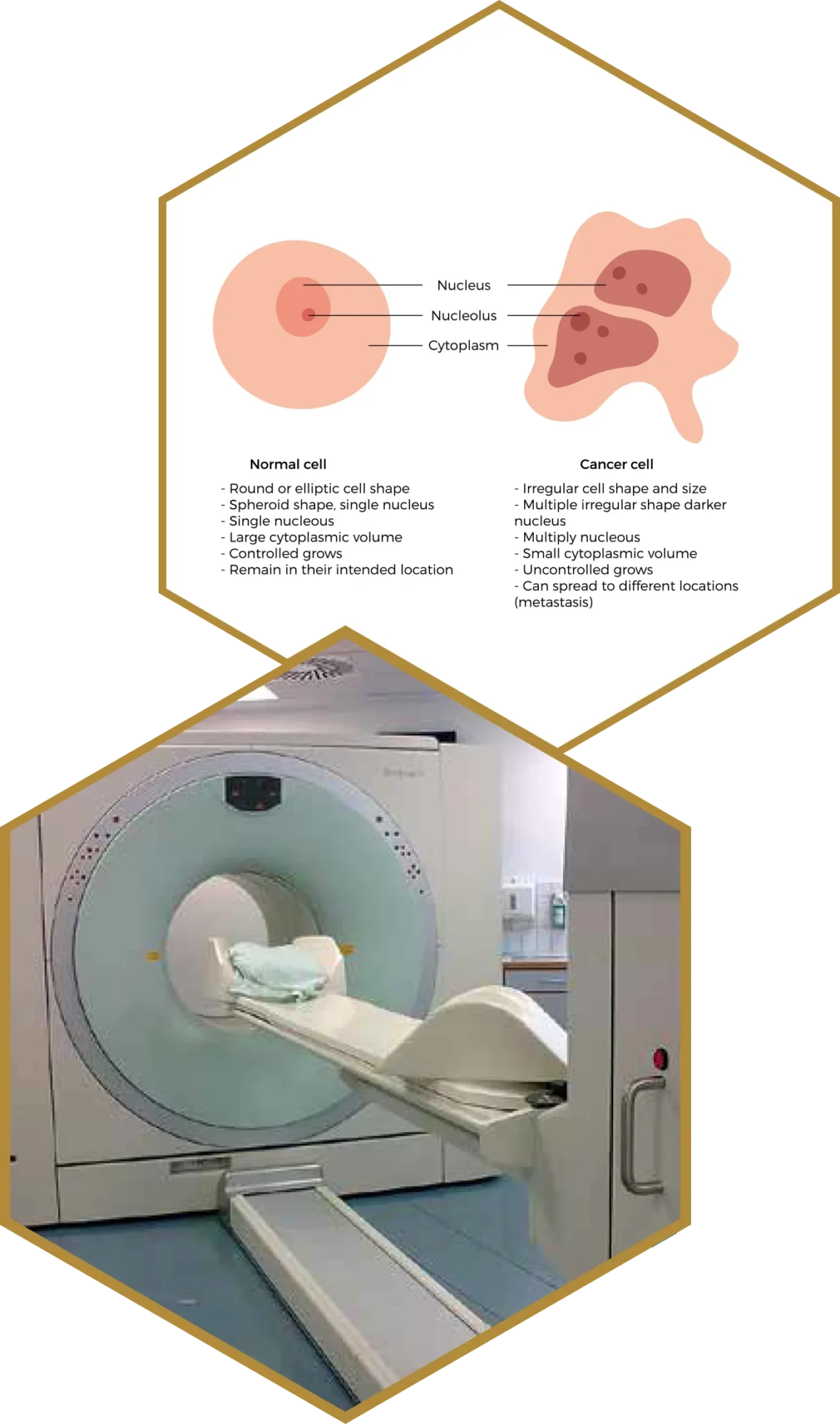
What would it mean if we could see inside a person’s molecular structure to see if cancer had started to develop before any anatomical signs are detected by them?
Innovative Solutions FOR Cancer Detection
Molecular Imaging Technology Inc. is at the forefront of revolutionizing cancer detection with our groundbreaking Time-resolved Positron Emission Tomography (TPET) technology. Based in the Cayman Islands, we are committed to addressing the staggering statistics of cancer, which claims ten million lives annually worldwide, a number projected to rise to sixteen million by 2040. Our mission is clear: to change these alarming figures through innovative solutions that enhance early detection and diagnosis.
Enhancing Treatment: OUTCOMES THROUGH INNOVATION
TPET technology has the potential to eliminate the limitations of current cancer staging methods while significantly reducing patient exposure to radiation. By facilitating earlier diagnosis, we aim to improve treatment outcomes, similar to how mammograms have positively impacted breast cancer mortality rates. To learn more about our transformative technology and its global implications, please reach out to us.

Latest Insights on CANCER DETECTION AND TECHNOLOGY
Frequently Asked Questions
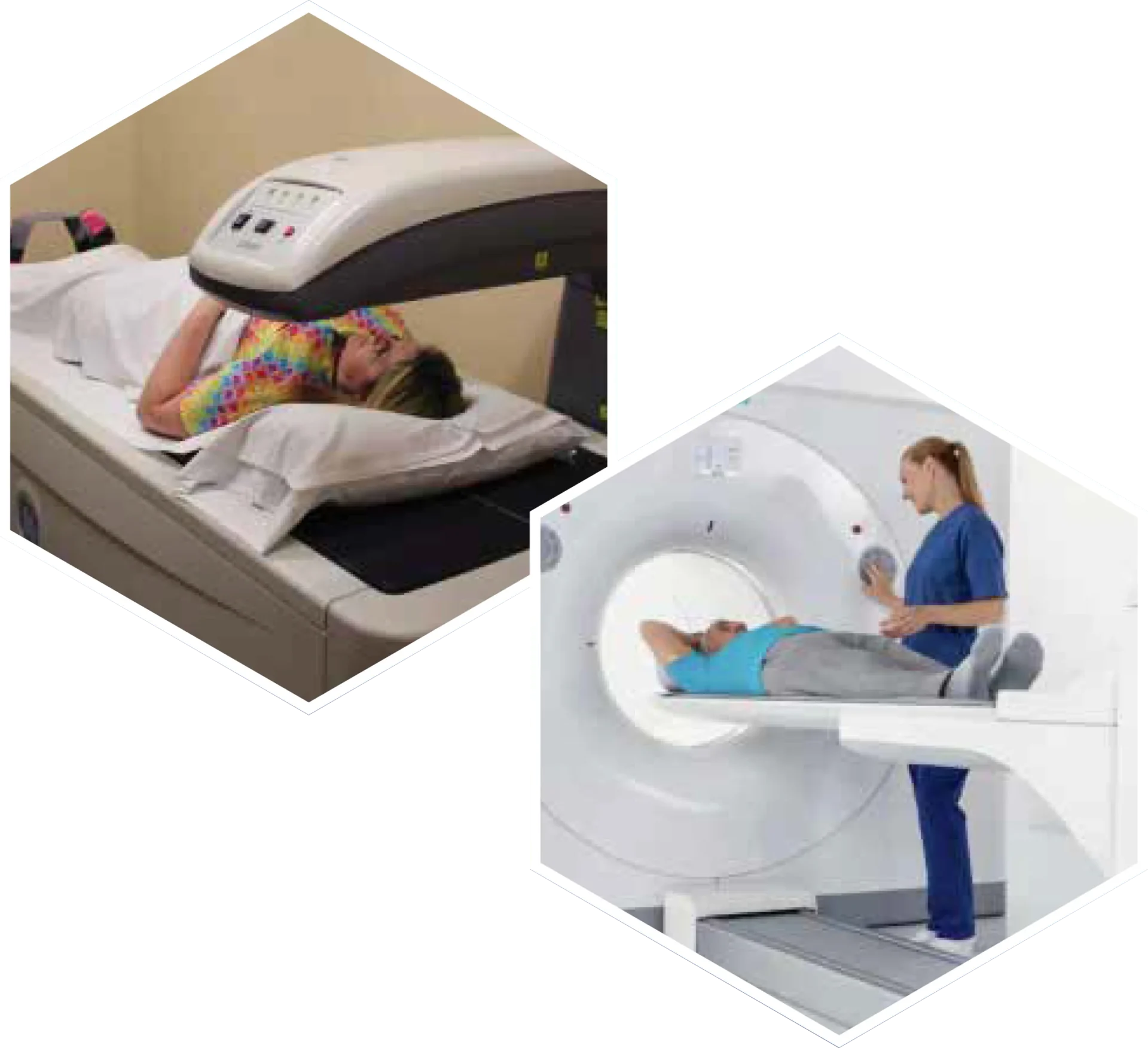
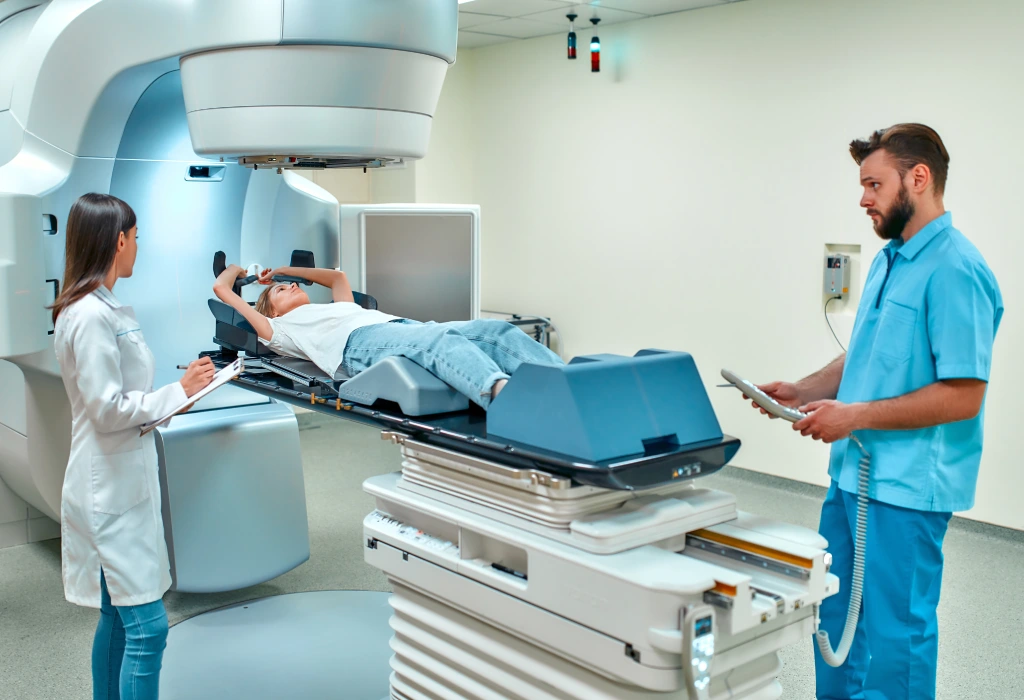
TPET (Time-resolved Positron Emission Tomography) is a breakthrough imaging technology that uses picosecond timing to directly measure the location of tumors. Unlike conventional PET/CT scanners, TPET eliminates the need for complex reconstruction algorithms, allowing for faster, more accurate, and lower-cost cancer detection.

TPET's Start
The TPET patents have already been issued to Dr. Ronald and Lynda Nutt. Dr. Ronald Nutt is a co-inventor of the PET/CT machine which was featured in TIME MAGAZINE in the year 2000 as medical inventor of the year.
Our major motivation for developing this new technology is to provide people the ability to access early routine screening for cancer. TPET will be lower in cost because it will have less detectors and need less computing. This will also make the new technology less complicated to operate. Most importantly, TPET will require less radiation to the patient. This will allow it to be used for screening purposes. PET/CT cannot be used for screening because of cost and the radiation to the patient.
The Nutt’s have been aggressive about the development of this invention because despite the billions of dollars raised by the Susan foundation, cancer is still one of the leading causes of death.
The Nutt’s have built a state-of-the-art laboratory where they conduct research currently allowing for them to build the first prototype soon.
Major TPET Goal
There are ten million cancer deaths per year worldwide and it is predicted that the number shall grow to sixteen million by 2040. One in two women will have cancer in their lifetime and one in three men will have cancer in their lifetime. It is time we changed these numbers.
Dr. Ronald and his wife Lynda Nutt currently hold two patents for a new technology they call TPET, Time-resolved Positron Emission Tomography. They expect the technology to eliminate the current gold stand being used to stage cancer and follow cancer treatment. They believe this new technology will meet the requirements of the regulatory bodies worldwide for screening because it requires the patient to be exposed to much less radiation and lower cost.
When TPET is allowed to be used for screening it will detect and diagnose cancer even before there are physical signs of the disease. Early detection allows for successful treatment of cancer and will lower the death rate in humans just as mammograms have lowered the death rate of women from breast cancer.
A recent article in Nature Journal implies this TPET technology may be worthy of a Nobel Prize.